Gastric bypass: powerful metabolic treatment with lifelong follow-up.
Gastric bypass creates a small stomach pouch and reroutes part of the small intestine. It can produce substantial, durable weight loss and improve obesity-related conditions, but it also requires careful preparation, permanent nutrition changes, vitamins, laboratory monitoring, and long-term care.
Individual evaluation required | Insurance and self-pay review available | Results and recovery vary
Clinical content by
Medically reviewed by
Trace Curry, MD, FASMBS
Bariatric surgery
Last medically reviewed
Editorial standard: JourneyLite Medical Editorial Policy
How Roux-en-Y gastric bypass changes digestion and metabolism
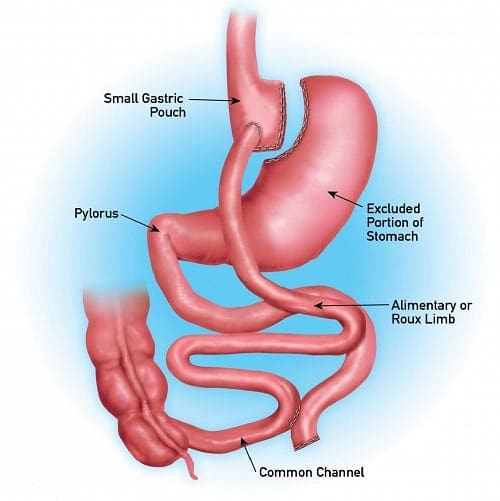
During Roux-en-Y gastric bypass, a surgeon creates a small pouch from the upper stomach and connects it to a section of small intestine. Food then bypasses most of the stomach and the first portion of the small intestine. The operation limits meal size and changes digestive and metabolic signals that influence appetite, blood sugar, and weight.
Gastric bypass is a major operation and is difficult to reverse. The safest choice depends on your health history, reflux, diabetes or other metabolic conditions, previous abdominal surgery, medications, nutrition status, and ability to maintain lifelong follow-up.
Read the gastric bypass patient guide for procedure timing, facility stay, Dr. Augusta’s role, and safety guidance before and after surgery.
Why bypass may fit - and what it asks of you
Strong metabolic effect
Gastric bypass generally produces greater average weight loss than adjustable gastric banding and can improve type 2 diabetes and other obesity-related conditions. Individual outcomes vary.
A reflux-focused option
For selected patients, gastric bypass may be discussed when significant gastroesophageal reflux is part of the clinical picture. Evaluation is still needed because no procedure guarantees symptom resolution.
More complex follow-up
Because the intestine is rerouted, bypass carries nutritional and small-bowel risks that require lifelong vitamins, periodic laboratory testing, and prompt attention to concerning symptoms.
Questions to answer before choosing gastric bypass
Your consultation should connect the operation to your health, priorities, and ability to follow the long-term plan.
- Why might bypass fit me better than sleeve, SADI, band, medication, or continued non-surgical care?
- How could reflux, diabetes, prior surgery, or current medications affect the recommendation?
- What are my personalized risks for bleeding, leak, blood clots, infection, ulcer, stricture, or bowel obstruction?
- Which medicines, including NSAIDs, tobacco products, and alcohol, require special discussion after bypass?
- What diet stages, protein, hydration, and activity plan will I follow during recovery?
- Which vitamins and laboratory tests will I need for life?
- What symptoms require an urgent call or emergency evaluation?
- What does my insurance or self-pay estimate include?
Bypass is not automatically the best operation for the most weight loss
Average outcomes matter, but so do reflux, metabolic health, anatomy, nutrition risk, prior procedures, medications, and the follow-up you can sustain. Compare options with a bariatric surgeon before deciding.
What the gastric bypass pathway includes
Personalized evaluation
Review health history, prior treatment, reflux, metabolic conditions, medications, nutrition, goals, and procedure alternatives.
Preparation
Complete required testing, education, nutrition planning, medication instructions, and insurance or self-pay review.
Surgery and recovery
Follow the surgical team's plan for pain control, walking, hydration, diet progression, activity, and warning signs.
Lifelong monitoring
Continue vitamins, laboratory testing, nutrition support, clinical follow-up, and healthy routines after the initial recovery.
Request a gastric bypass consultation
Tell JourneyLite that you are interested in gastric bypass or comparing bariatric procedures. A team member will follow up about evaluation, benefits, self-pay information, and scheduling.
Submitting this form requests contact and does not confirm an appointment or establish that gastric bypass is appropriate. Do not use this form for an emergency or urgent postoperative concern.
"*" indicates required fields
Clinical references used for this overview
JourneyLite's visible page content and structured data are aligned with these authoritative patient-education resources. Your surgeon's individualized instructions take priority.
Answers before your next step
What is Roux-en-Y gastric bypass?
It is a metabolic and bariatric operation that creates a small stomach pouch and connects it to a lower section of small intestine. Food bypasses most of the stomach and the first part of the small intestine, changing meal capacity, digestion, and metabolic signaling.
How much weight can I expect to lose after gastric bypass?
Weight loss varies with starting health, anatomy, follow-up, nutrition, activity, medications, and other factors. Gastric bypass generally produces greater average weight loss than adjustable gastric banding, but no specific result can be promised.
Can gastric bypass improve diabetes or reflux?
It can improve type 2 diabetes and other obesity-related conditions, and it may improve reflux for selected patients. The likelihood of benefit depends on individual clinical factors and should be discussed with a bariatric surgeon.
What are important gastric bypass risks?
Risks include bleeding, infection, leak, blood clots, stricture, ulcer, dumping syndrome, bowel obstruction, hernia, nutritional deficiencies, and the possible need for additional procedures. Rarely, severe complications or death can occur.
Will I need vitamins after gastric bypass?
Yes. Gastric bypass patients generally need lifelong vitamin and mineral supplementation plus periodic laboratory monitoring. The exact products and doses should come from your bariatric team. Read more about bariatric vitamins after gastric bypass.
Does insurance cover gastric bypass?
Some plans cover gastric bypass for patients who meet the plan's criteria, while others exclude bariatric surgery or require a designated facility. Benefit verification and prior authorization are separate steps and do not guarantee payment.
Decide whether bypass fits your health - not just a number on the scale.
JourneyLite can help you compare gastric bypass with sleeve, SADI, band, medication, and non-surgical care using your medical history, goals, risks, and follow-up needs.
This page provides general education and does not replace individualized medical advice. Treatment requires evaluation by a qualified medical professional. Individual results vary.