
JourneyLite Nutrition Team
Our registered dietitians.
Meet the people who help you put nutrition advice into practice—from preparing for treatment to planning meals and navigating life after surgery.
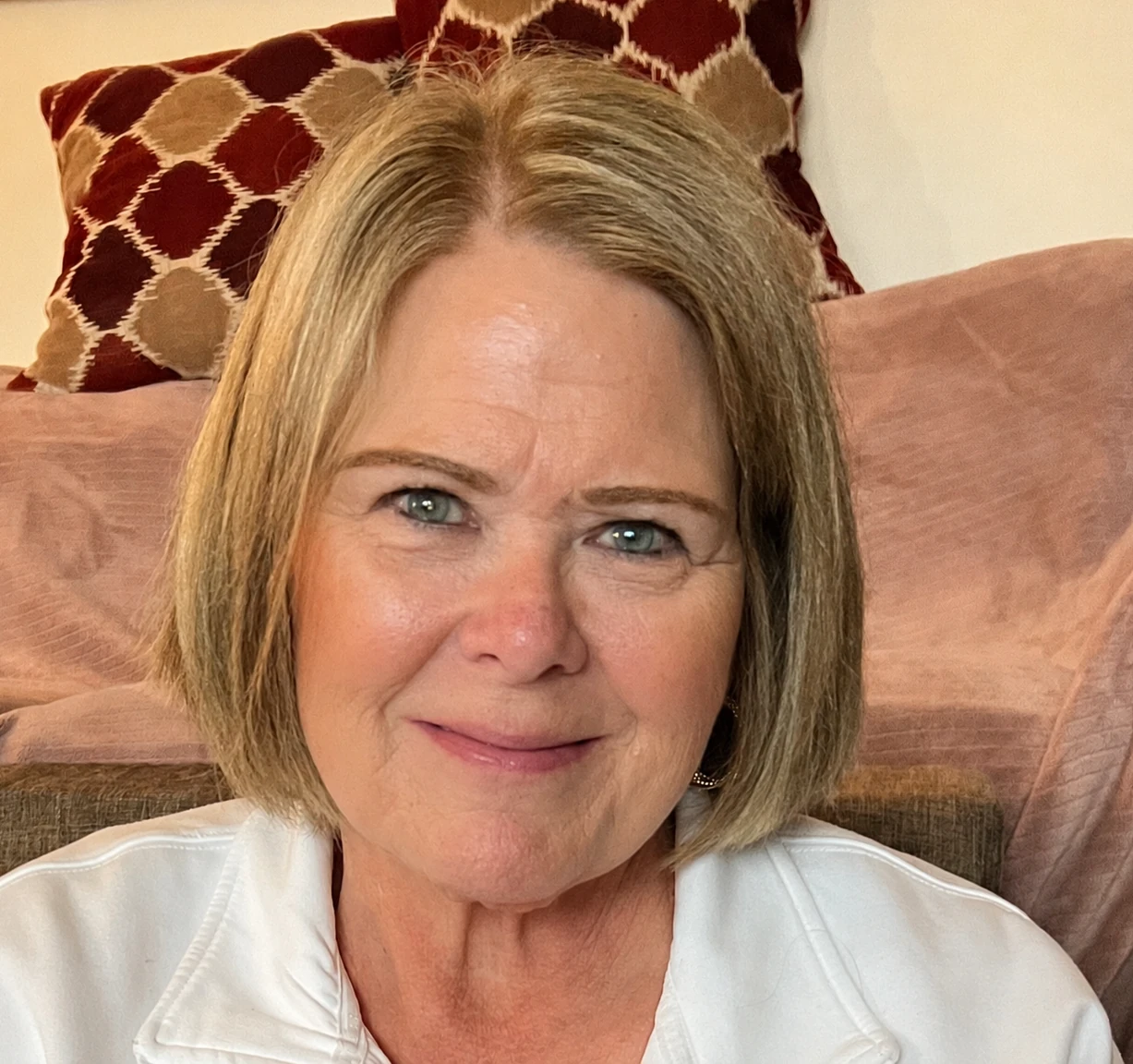
Lead Dietitian
Rebecca Erdman
MS, RD, LD
Rebecca Erdman, MS, RD, LD, leads JourneyLite’s dietitian team, helping patients build practical nutrition habits for lasting weight management.
She served as lead dietitian for all of JourneyLite’s gastric balloon post-approval studies and the APEX study, overseeing nutrition care for study participants. Her experience brings a clinical research perspective to the personalized support she provides every day.
Rebecca helps patients turn nutrition recommendations into manageable routines—from preparing for treatment and adjusting to new eating patterns to building confidence with long-term meal planning.
Email Rebecca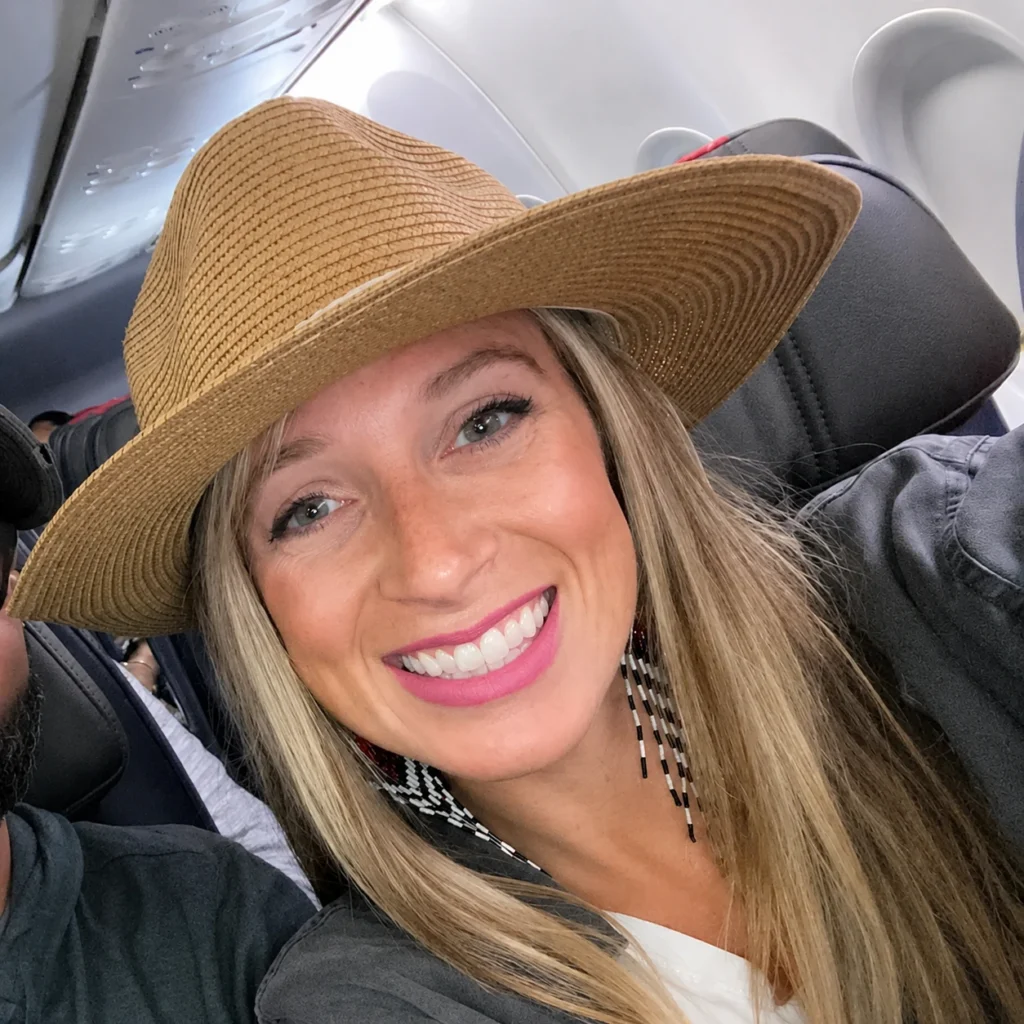
Registered Dietitian
Devon Price
RD, LD
Devon Price, RD, LD, is a registered and licensed dietitian who helps patients make practical, sustainable changes through bariatric nutrition and medical weight loss support.
She leads JourneyLite’s online pre-op nutrition classes, preparing patients for surgery with guidance on the eating habits and nutrition routines they will need before and after their procedure.
Devon also runs JourneyLite’s virtual support groups, providing ongoing care and encouragement to patients across the country. Through these online connections, she helps patients navigate challenges, stay engaged, and build confidence throughout their weight loss journey.
Read Devon Price’s full biography
Email DevonNutrition support
Guidance for everyday eating.
Before & after surgery
Pre-op preparation, post-op diet progression, food tolerance, and guidance on protein, hydration, and vitamins.
Medical weight loss
Nutrition support for patients taking GLP-1 medications or pursuing other medical weight loss treatment.
Gastric balloon care
Help with meal patterns and nutrition before, during, and after balloon treatment.
Long-term routines
Meal planning for busy schedules, managing cravings and stalls, and building habits you can maintain.
Have a nutrition question?
Email rd@curryweightloss.com for general questions. The dietitian team can help direct your question to the right person.
Common questions
About dietitian care.
What is the difference between a registered dietitian and a nutritionist?
A registered dietitian, often listed as RD or RDN, is a credentialed nutrition professional who has completed formal education, supervised training, national credentialing requirements, and ongoing continuing education. A licensed dietitian, or LD, also meets state licensing requirements. The term “nutritionist” is much less specific. In many settings, someone may call themselves a nutritionist without completing the same level of accredited education, clinical training, or professional credentialing required of a registered dietitian.
Why does JourneyLite use registered and licensed dietitians?
JourneyLite patients often have specific medical and nutritional needs related to bariatric surgery, GLP-1 medications, gastric balloons, medical weight loss, diabetes, reflux, vitamin supplementation, protein intake, hydration, and long-term weight maintenance. Registered and licensed dietitians are trained to provide evidence-based guidance that is individualized to the patient’s treatment plan, medical history, weight loss goals, and lifestyle.
How can a registered dietitian help patients taking GLP-1 medications?
GLP-1 medications can reduce appetite significantly, which can be helpful for weight loss but may also make it harder for some patients to eat enough protein, fluids, fiber, and micronutrients. A registered dietitian can help patients build a simple eating plan that supports weight loss while reducing the risk of muscle loss, inadequate nutrition, constipation, nausea, and poor food tolerance. Dietitian support can also help patients plan for long-term success by focusing on sustainable habits rather than relying only on appetite suppression.
How can dietitians improve outcomes after weight loss surgery?
After procedures such as gastric sleeve, gastric bypass, or SADI surgery, patients need structured guidance on diet progression, protein intake, hydration, vitamins, portion sizes, food tolerance, and long-term eating patterns. A registered dietitian helps patients understand what to eat at each stage, how to avoid common mistakes, how to meet nutrition goals, and how to manage challenges such as stalls, grazing, nausea, dehydration, constipation, or difficulty tolerating certain foods.
How do dietitians help gastric balloon patients?
Gastric balloon patients benefit from nutrition support before, during, and after balloon therapy. A dietitian can help with the liquid and soft-food transition, portion control, protein goals, hydration, meal timing, and food choices that work well while the balloon is in place. Dietitian support is especially important after the balloon passes or is removed, because long-term results depend on the habits built during treatment.
Can a dietitian help if I am not losing weight as expected?
Yes. Weight loss stalls are common with surgery, GLP-1 medications, and gastric balloon treatment. A registered dietitian can review protein intake, hydration, meal timing, portion sizes, snacking patterns, liquid calories, food tracking, exercise habits, and other factors that may be affecting progress. The goal is not to blame the patient, but to identify practical changes that can help restart progress and improve consistency.
Can dietitians help prevent muscle loss during weight loss?
Rapid weight loss can lead to loss of both fat and lean muscle if patients do not get enough protein or maintain strength-building activity. A registered dietitian can help patients set realistic protein goals, choose protein-rich foods or supplements, and build meal patterns that support healthier body composition during weight loss.
Do I need dietitian support if I already know what foods are healthy?
Many patients already know the basics of healthy eating. The challenge is applying those principles after surgery, while taking GLP-1 medications, or during gastric balloon therapy. Appetite changes, food intolerance, nausea, portion restriction, protein requirements, vitamin needs, and busy schedules can make nutrition more complicated. A dietitian helps turn general nutrition advice into a realistic plan that fits the patient’s actual treatment, body, preferences, and daily routine.